


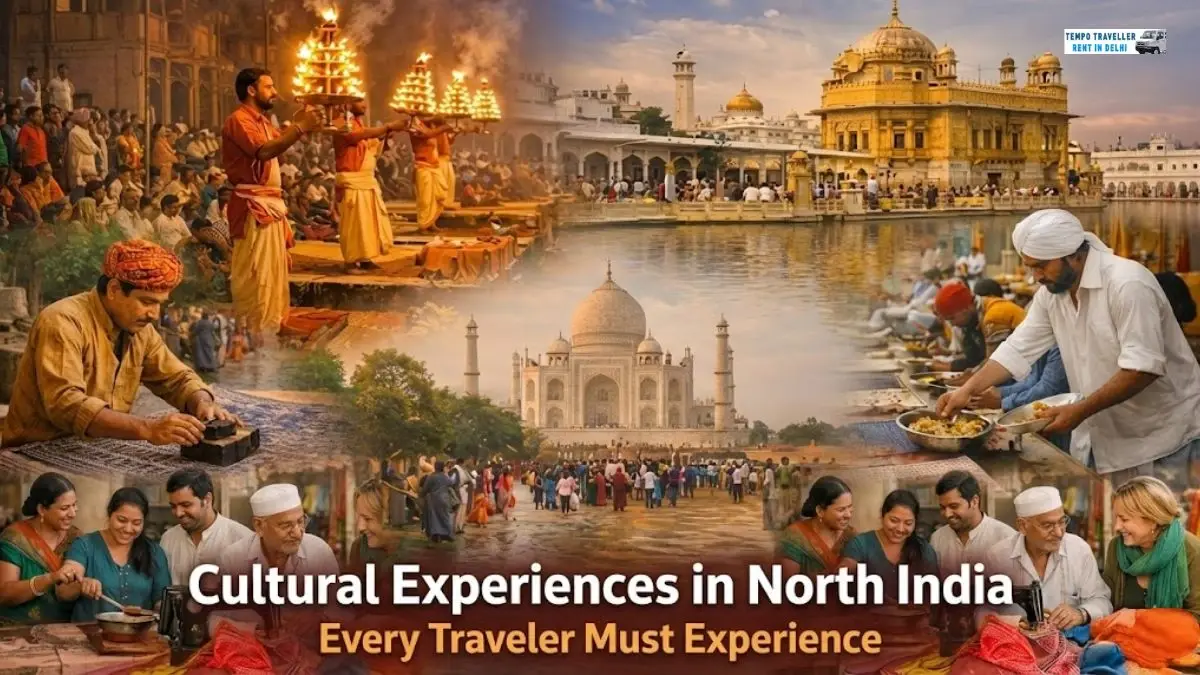
While an itinerary tells you where to go, a cultural guide tells you how to feel once you arrive.
Cultural experiences in North India are not limited to monuments or museums. They live in morning prayers by the river, shared meals with strangers, and age-old traditions that continue quietly alongside modern life.
Many travelers come to North India for the Taj Mahal or royal palaces. But those who leave with the strongest memories are the ones who slow down and notice everyday moments. The smell of incense during an evening aarti. The rhythm of handlooms in a small workshop. A simple conversation that needs no common language.
This guide focuses on the most meaningful cultural experiences in North India, designed especially for foreign travelers who want depth, safety, and genuine connection, not rushed sightseeing.
Understanding Cultural Experiences in North India Before You Travel
North India holds nearly 5,000 years of living history. But it does not reveal itself through attractions alone.
Culture here is layered. It unfolds slowly when you step away from air-conditioned buses and allow yourself to walk, wait, observe, and listen.
Here is a simple way to understand the range of cultural experiences you may encounter.
| Cultural Experience | Best Place | Intensity | Why It Matters |
| Spiritual rituals | Varanasi, Rishikesh | High | Ancient river ceremonies and daily worship |
| Royal heritage | Jaipur, Jodhpur | Medium | Living palaces and heritage homes |
| Community traditions | Amritsar | Low | Shared meals and volunteer service |
| Local craftsmanship | Jaipur, Lucknow | Low | Handmade textiles and artisan skills |
If you are curious about how these places link together, especially in classic heritage routes like Delhi → Agra → Jaipur → Amritsar, you can explore a cultural and historical trip in India.
You do not need to experience everything. Even one of these can redefine how you understand India.
Cultural Etiquette in North India for Foreign Travelers
Understanding cultural experiences in North India also means knowing how to behave respectfully and comfortably.
Why the Right Hand Matters in Indian Culture
In daily life, the right hand is used for eating and offering items. The left hand is considered unclean.
Always:
- Eat with your right hand
- Hand over money or objects with your right hand
This small gesture immediately signals awareness and respect.
Is It Okay to Take Photos with Locals in India?
You will often be asked for selfies.
A simple rule helps:
- Say yes to families and children
- Politely decline groups of young men
A smile and “No, thank you” is enough. You do not need to explain yourself.
What to Wear in North India Without Feeling Uncomfortable
You do not need traditional clothing, but modesty matters.
Loose cotton or linen shirts
Long trousers or skirts
Covered shoulders
Many travelers notice that wearing simple Indian-style clothing like a kurta-pyjama earns more respect and smoother interactions, especially in smaller towns.
Best Spiritual Cultural Experiences in North India
Ganga Aarti in Varanasi: A Living Religious Tradition

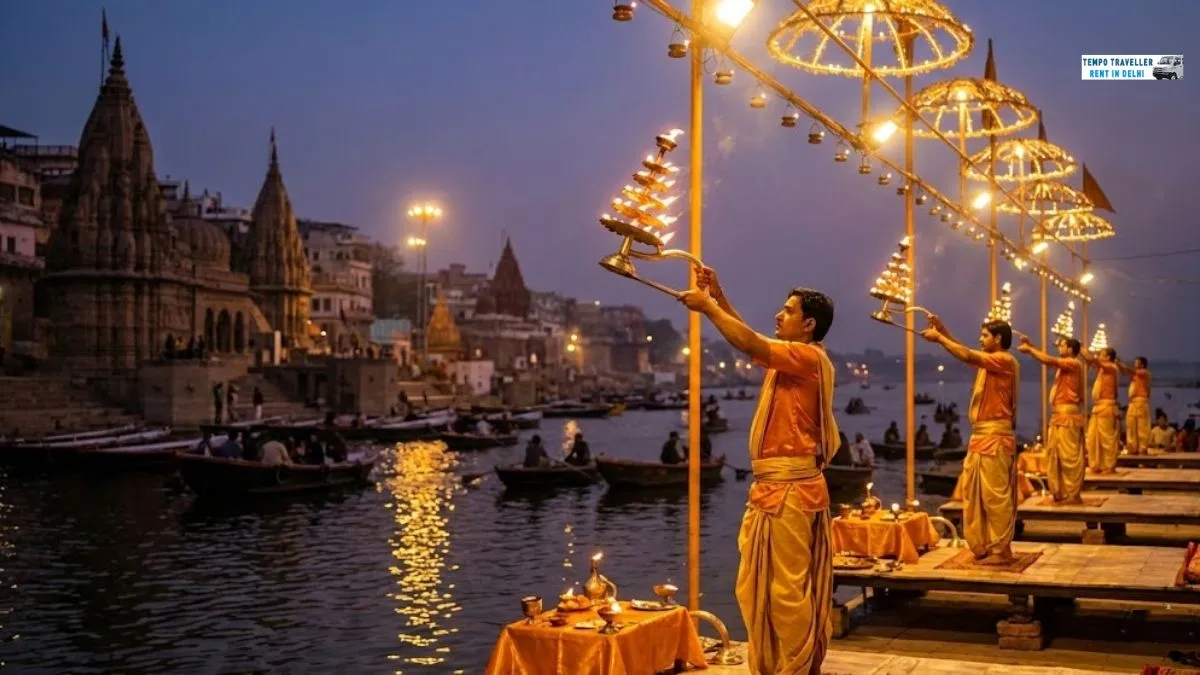
The Ganga Aarti is one of the most powerful cultural experiences in North India.
As evening falls, bells ring across the ghats. Priests move in unison, lifting flames toward the river while chants echo into the night. Hundreds of small lamps reflect on the water, creating a scene that feels timeless.
Travel tip:
Hire a small boat around 5:30 PM and watch the ceremony from the river. It is calmer, less crowded, and far more immersive.
Safety note:
Avoid anyone offering paid blessings. Tip the boatman fairly, usually $5 to $8.
If your cultural route includes Varanasi and its surroundings, you’ll find more on spiritual journeys from Varanasi to Rishikesh in this helpful guide.
Golden Temple Amritsar Langar Experience
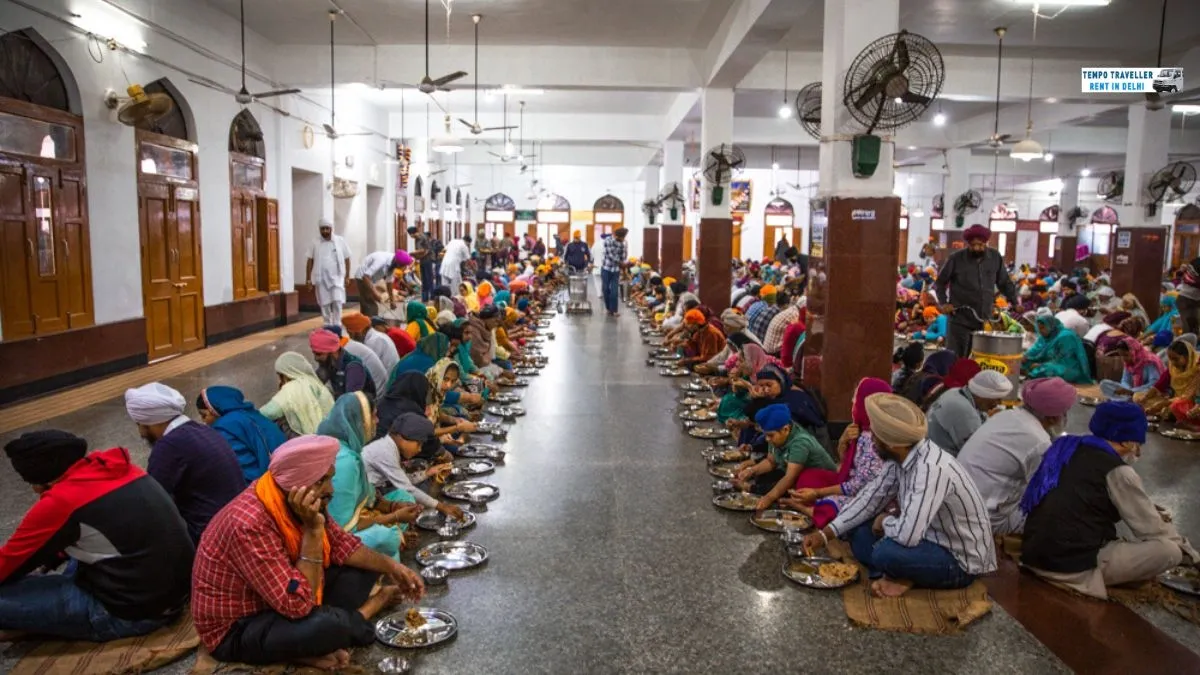
Among all cultural experiences in North India, the Langar at the Golden Temple stands out for its simplicity and equality.
Every day, tens of thousands of people sit together on the floor to share a free meal, regardless of background or belief.
When receiving Kada Prasad, the sacred sweet, always cup both hands together. Eat it respectfully and do not waste it.
This experience leaves a deeper impression than many famous landmarks.
Find Here: Best North India Tour Itinerary
Traditional Art and Craft Experiences in North India
Block Printing Workshops in Jaipur
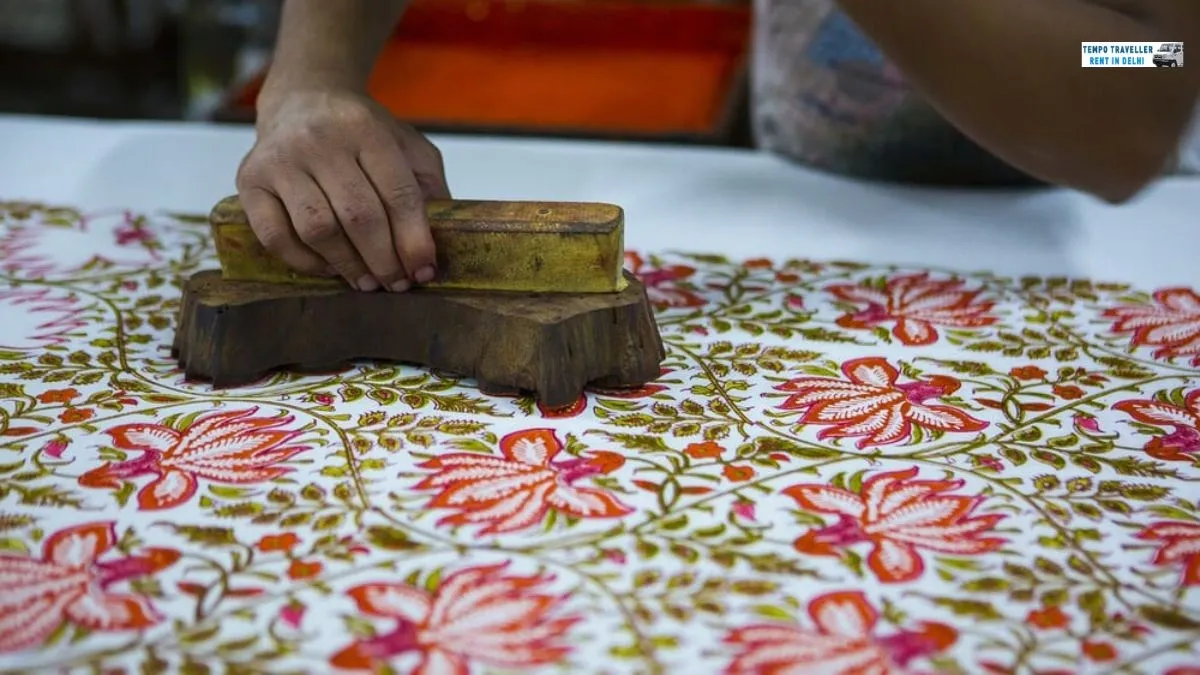
Beyond forts and palaces, Jaipur preserves an older rhythm of life through its artisans.
In areas like Sanganer, wooden blocks are still used to print fabric by hand. Each movement is slow, deliberate as well as precise.
For a quiet and meaningful visit, the Anokhi Museum of Hand Printing near Amber Fort is worth your time. It is rarely crowded and beautifully curated.
Some small workshops also allow visitors to dye their own “dupatta” scarves, offering a hands-on cultural experience that feels personal rather than ready-made.
Where to Stay for Authentic Cultural Experiences in North India
Why Heritage Havelis Offer Deeper Cultural Insight
A heritage haveli is not a hotel. It is a family home that welcomes guests.
You eat home cooked meals.
You hear stories, not scripted tours.
For travelers who want a deep cultural experience in North India, these stays often feel warmer and more memorable than large international hotels.
An excellent way to understand how to move between these experiences – and the benefits of comfortable, private travel – is explored in this travel-style guide: Best way to Explore North India.
How to Experience Indian Food with Local Families
Home cooking classes allow you to understand Indian food beyond restaurant menus.
Local hosts invite you into their kitchens, share family recipes, and explain traditions connected to food. Platforms like Authenticook help connect travelers with these experiences.
Small Cultural Costs to Be Prepared For
You may encounter small fees:
- Shoe storage at temples (₹10–₹20)
- Public restroom charges
- Minor service tips
Keeping small changes makes these interactions smooth and stress-free.
Cultural Travel Tips for North India
Best Festivals for Cultural Experiences in North India
| Festival | Time | Intensity | What to Expect |
| Holi | March | Very High | Color, crowds, chaos |
| Diwali | Oct-Nov | Medium | Lights, family celebrations |
Holi can be overwhelming for solo travelers. If you participate, do so through a hotel or organized event.
Useful Apps for Cultural Travel in India
Google Lens helps translate menus and signs
Zomato helps find hygienic versions of traditional street food
How to Avoid Stomach Issues While Traveling
Fresh lassi, made from yogurt, is a natural probiotic and also helps in digestion. Choose busy, clean shops for safety.
Final Thoughts on Cultural Experiences in North India
The most meaningful cultural experiences in North India are rarely planned.
They appear in quiet conversations, shared meals as well as moments of patience. They require curiosity more than confidence and listening more than speaking.
My most authentic experience was not at a monument. It was a short conversation with a tailor in a small city, filled with gestures, laughter and mutual respect.
For those who want comfortable, personalized travel between these cultural experiences, consider reliable road travel and private transport options from Tempo traveller on rent in Delhi trusted for flexible, safe road travel.
If you are open, North India opens back.
Travel slowly.
Talk to people.
Let the culture come to you.
Planning this trip? Book a tempo traveller for outstation trips from Delhi with Progressive Cab Rental Services and travel together with door-to-door pick up.